
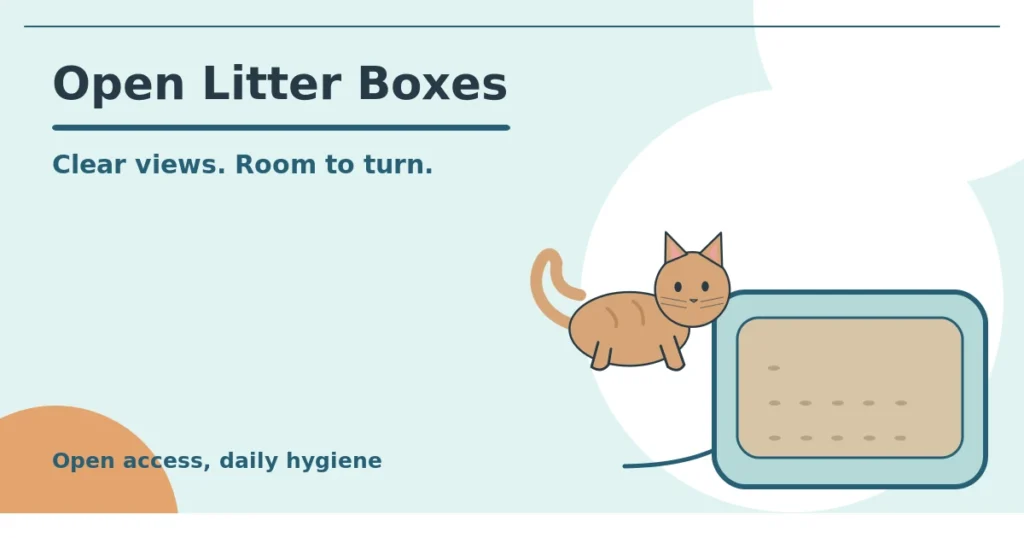
Open Cat Litter Boxes: Visibility, Turning Space, and Everyday Cleanup
Is an open cat litter box right for your cat? Compare turning room, open sight lines, litter scatter, cleaning access, and safe placement.
Detailed buying advice for pet products. What matters most for safety, comfort, and long-term use.
Is an open cat litter box right for your cat? Compare turning room, open sight lines, litter scatter, cleaning access, and safe placement.
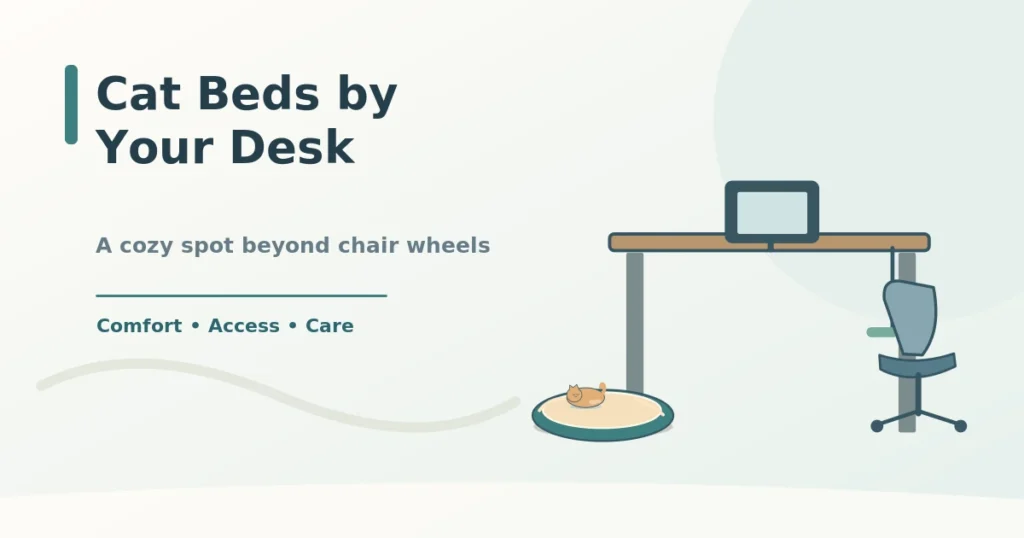
Place a cat bed beside a home office desk without chair-wheel risks, dangling cords, blocked paths, or distracting noise.
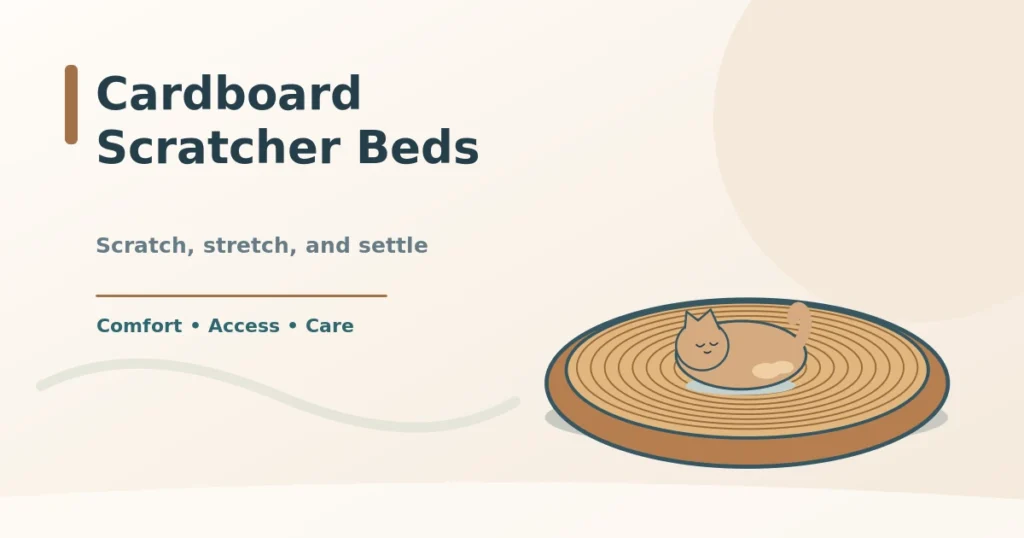
Compare cat scratcher beds by cardboard texture, real sleeping room, base grip, shedding, and when to replace worn layers.
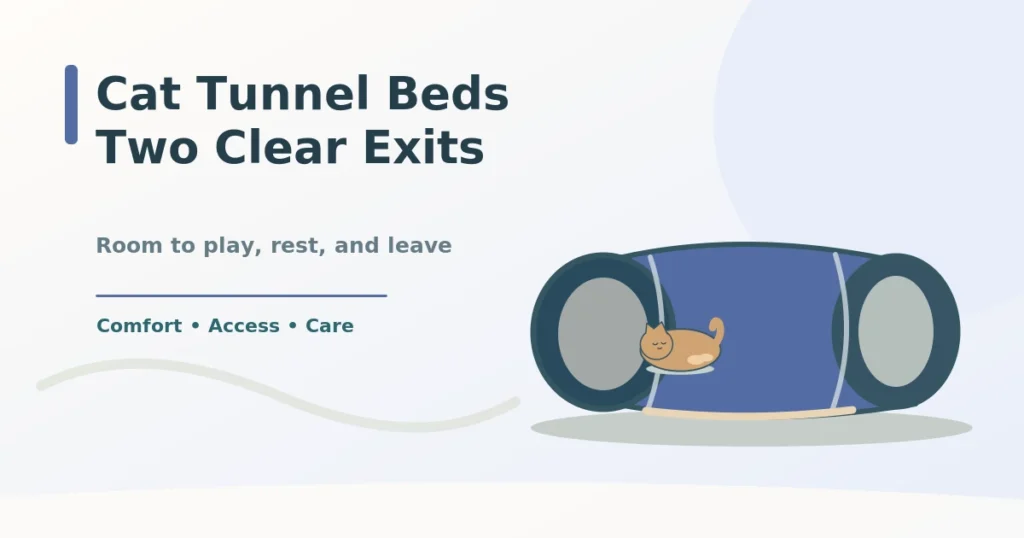
Choose cat tunnel beds with usable nap space, visible exits, sturdy walls, washable liners, and safe placement for active or shy cats.
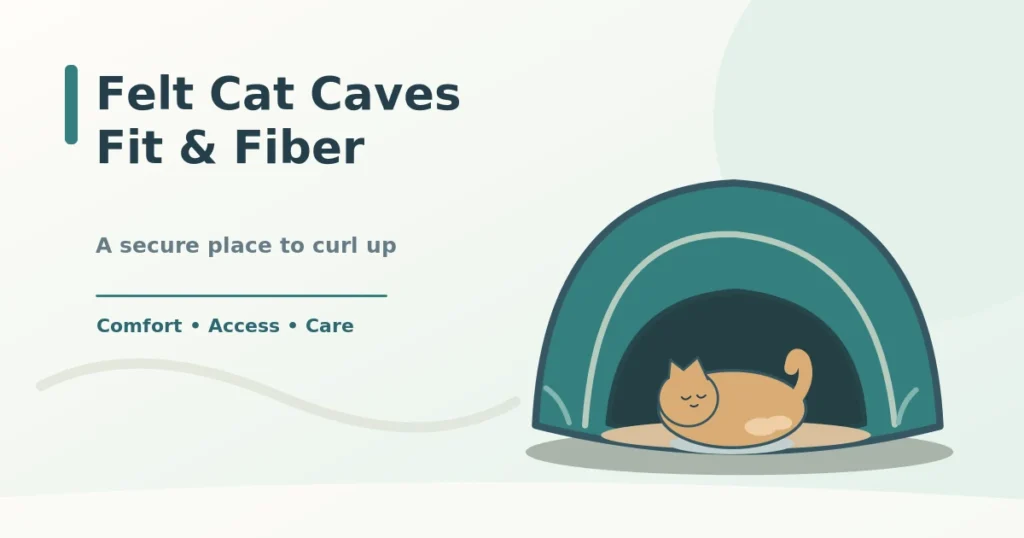
Compare felt cat cave beds by entrance size, shape retention, loose fibers, airflow, and easy cleaning before choosing a quiet resting spot.
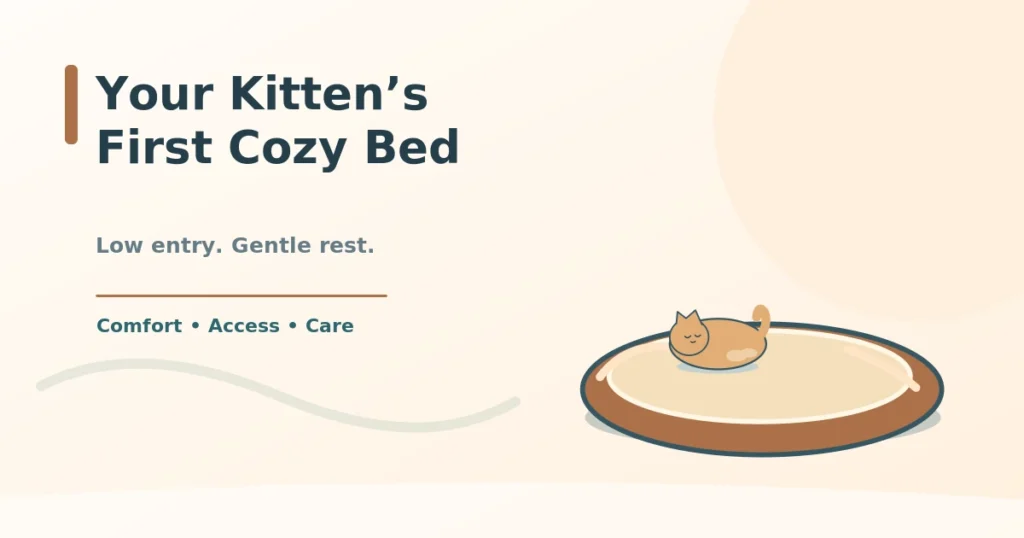
Set up a first kitten bed with a low entrance, washable bedding, familiar scent, and a quiet location away from cords and litter.
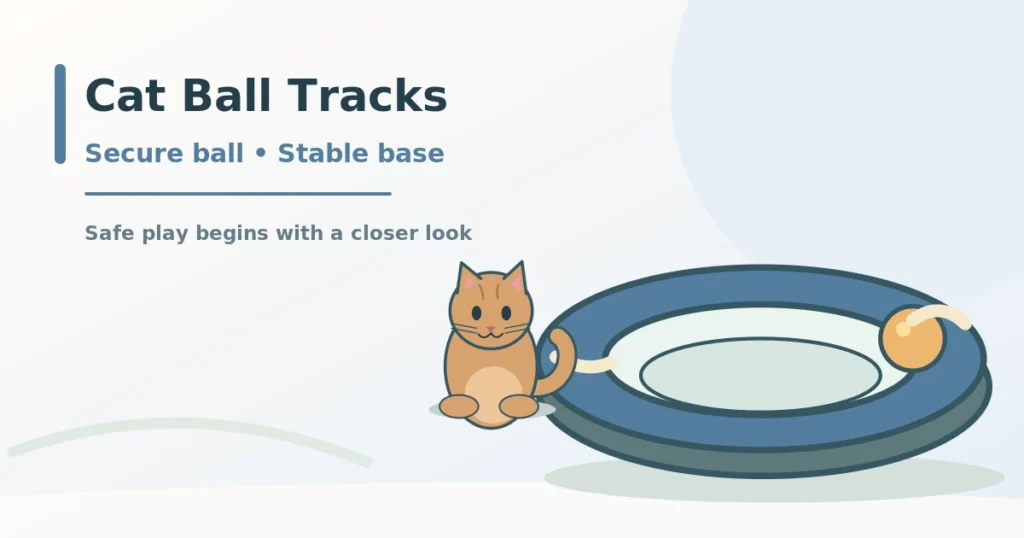
Inspect cat ball track toys for secure ball channels, paw-safe openings, non-slip bases, and hidden debris before choosing a toy.

Evaluate cat crinkle ball toys by ball size, crinkly film, seams, loose strands, sound level, and chew behavior before play.
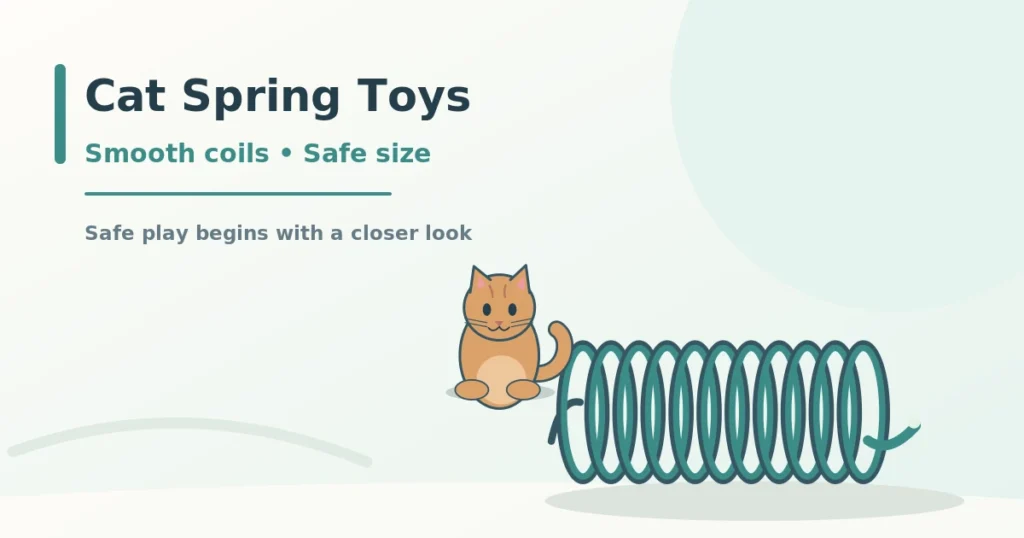
Choose cat spring toys by coil size, plastic finish, floor grip, and chew risk. Learn a quick inspection and supervised play routine.
Compare motion-activated cat toys by sensor range, battery compartments, moving parts, and session limits. Learn setup and storage checks.