
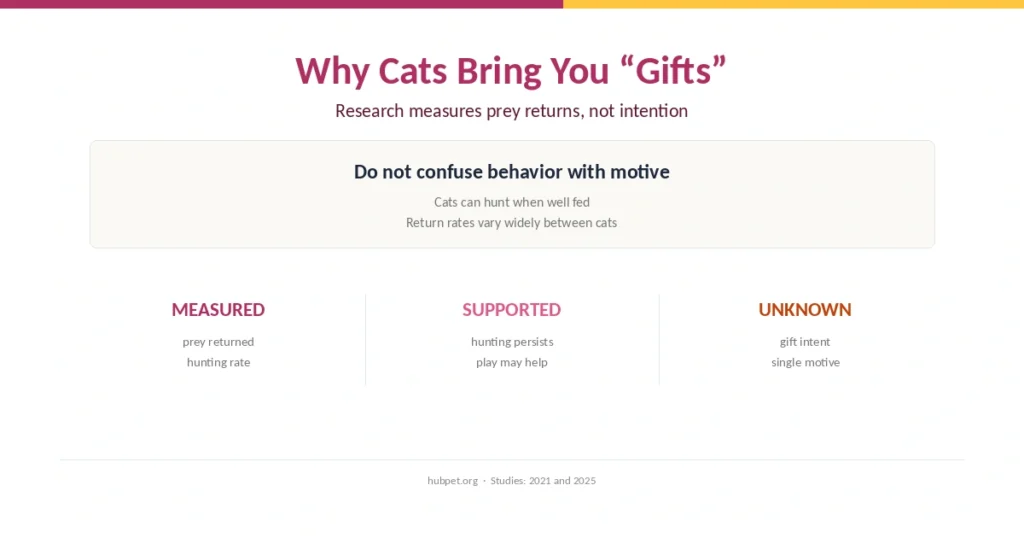
Why Cats Bring You Gifts
Research on prey returns, hunting motivation, and play explains what we know about the familiar “gift” on the doorstep—and what we do not know.
Research on prey returns, hunting motivation, and play explains what we know about the familiar “gift” on the doorstep—and what we do not know.
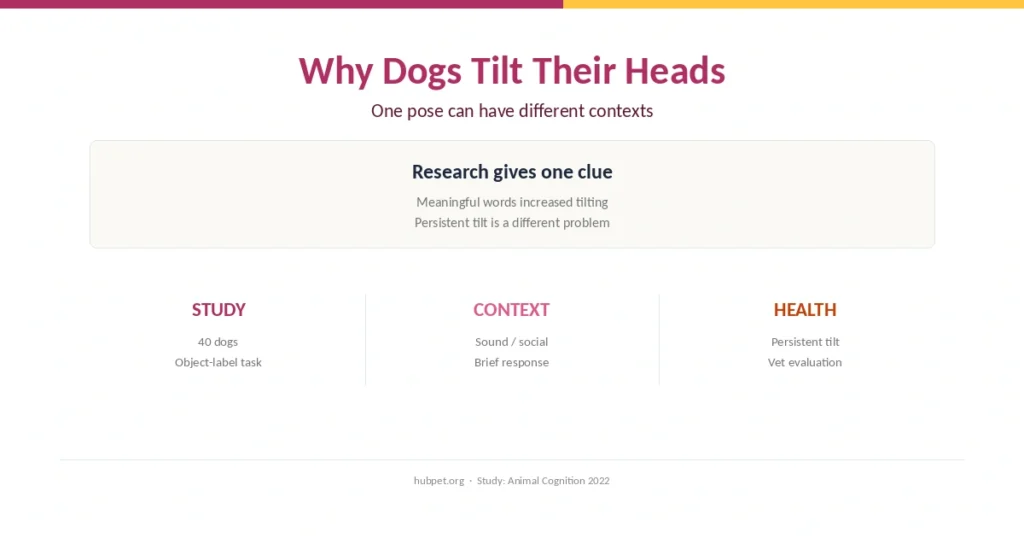
An exploratory study offers one clue about the familiar head tilt, but context separates normal communication from a possible medical sign.
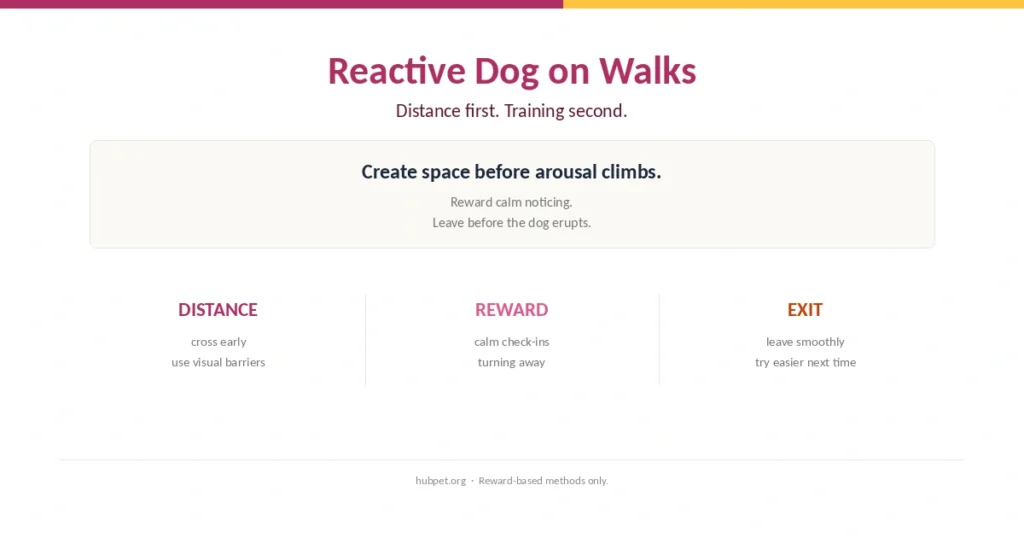
Reactive walks improve when owners create distance before arousal climbs, reward calm behavior, and avoid forced exposure.
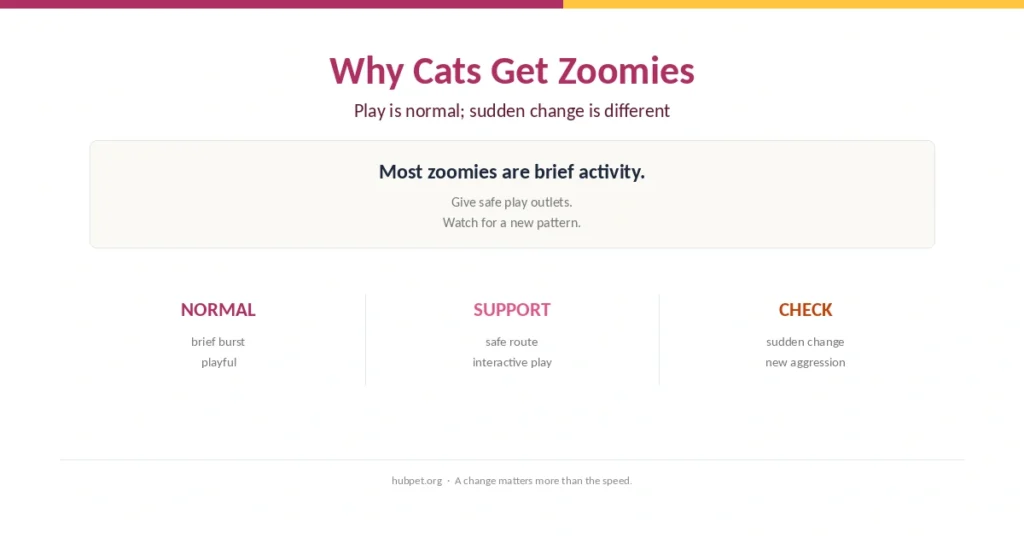
Cat zoomies are often normal play. A sudden change in activity, aggression, or other health signs deserves more attention.
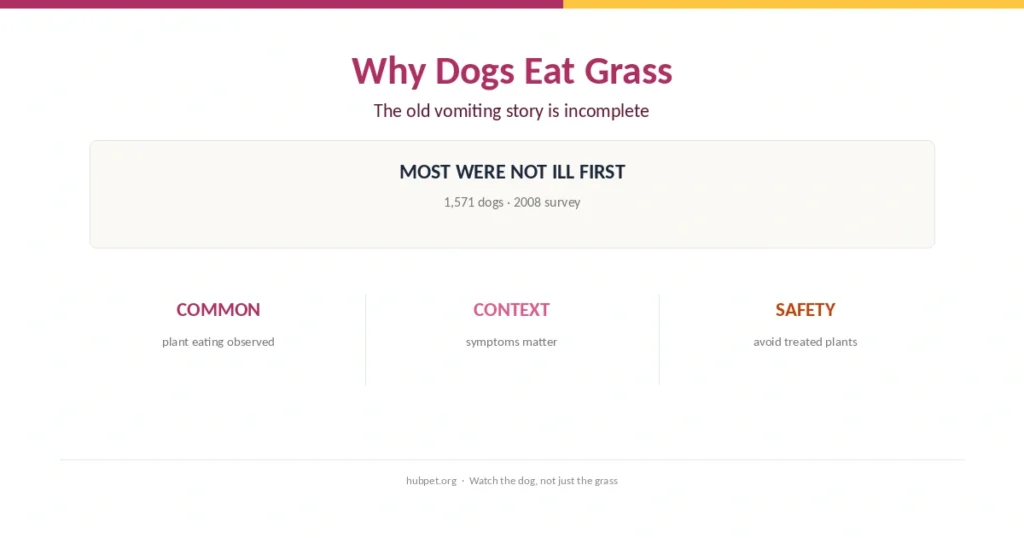
What research actually shows about grass eating in dogs, plus the signs that make it a veterinary concern.
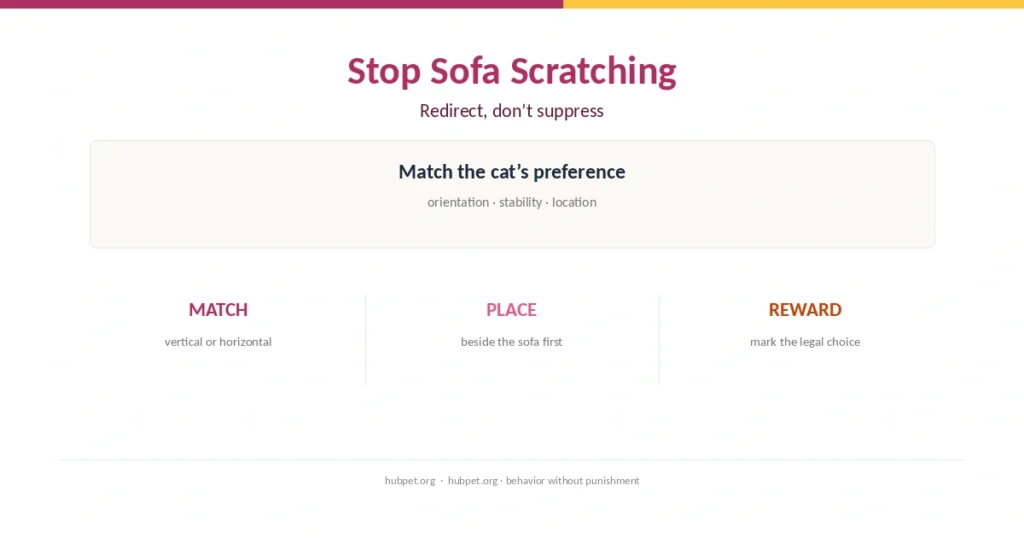
A practical redirection plan that works with normal feline scratching instead of trying to punish it away.

A humane, source-backed greeting plan that rewards four paws on the floor and prevents jumping from becoming the fastest route to attention.
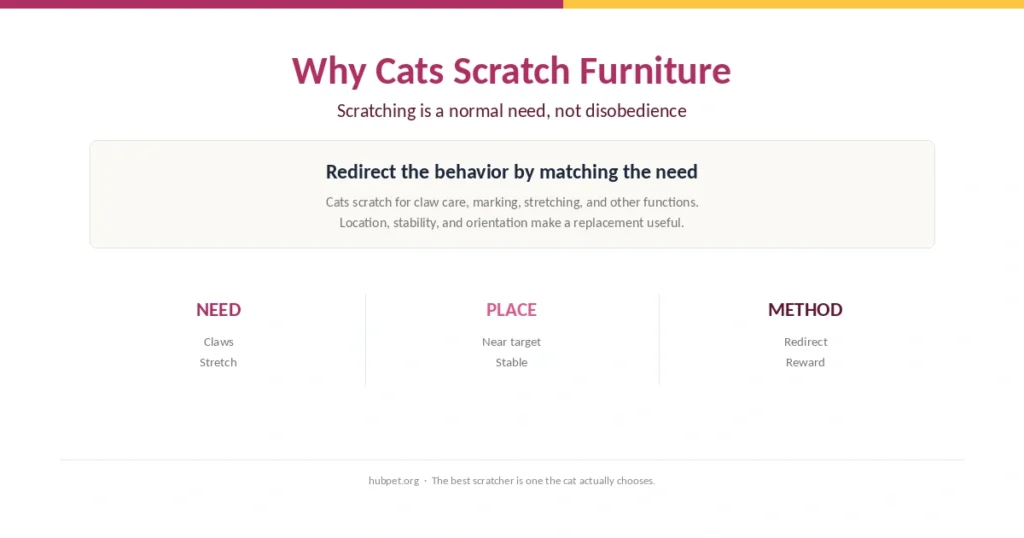
A source-backed explanation of normal cat scratching and a practical environmental plan for moving the behavior from furniture to scratchers.
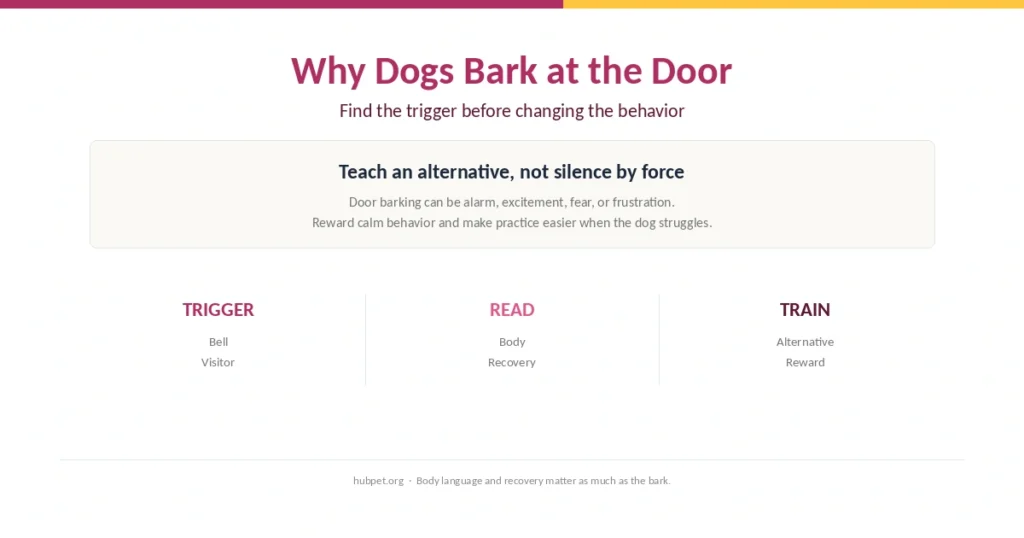
A source-backed guide to doorbell barking, body language, humane alternative behaviors, and when sudden barking needs professional help.
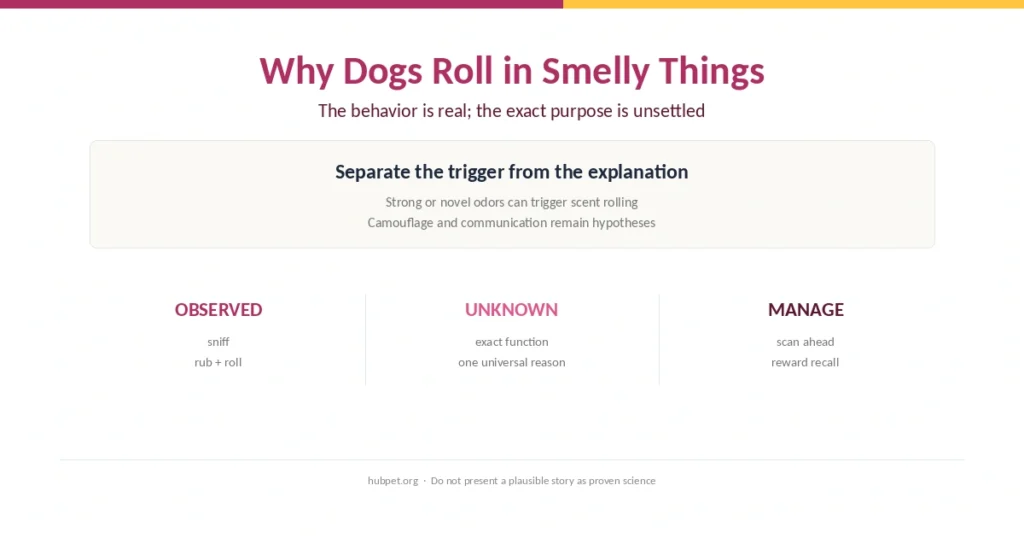
Dogs and other canids scent-roll in strong odors, but the purpose is still uncertain. Learn what research found and how to manage the behavior.