
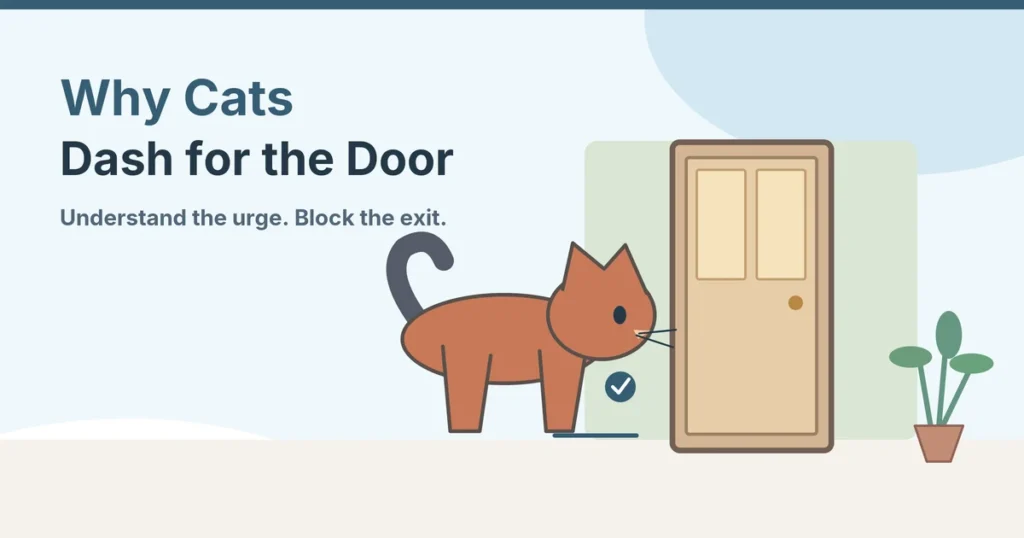
Why Cats Dart Outside Doors: Triggers, Safe Barriers, and Prevention
Learn why cats dash toward open doors and how to create safer entry routines, secure barriers, enrichment, and ID backup plans.
Learn why cats dash toward open doors and how to create safer entry routines, secure barriers, enrichment, and ID backup plans.
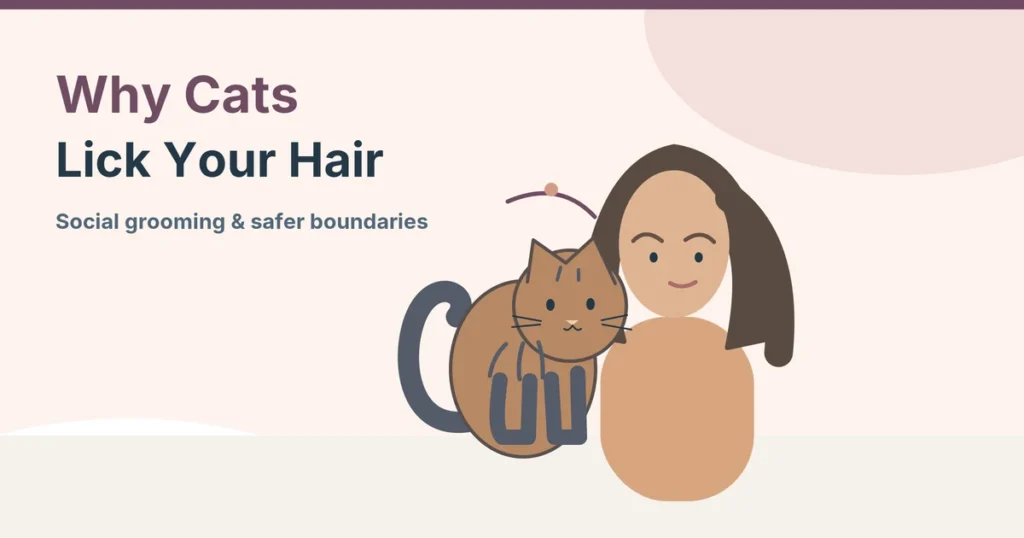
Learn why cats lick human hair, how to avoid unsafe product exposure, and how to redirect chewing or unwanted licking.

Learn why cats nap often, how to offer enriching play, and when sleep or alertness changes should prompt a call to your vet.

Discover why cats use litter boxes and how texture, turning room, clean trays, and quiet access help support reliable habits.

Explore why cats yowl at night, which household checks may help, and what new or unusual vocalization means for veterinary care.

Learn a calm, reward-based way to respond to barking, meowing, pawing, nudging, and other attention-seeking behavior without punishing the pet.

Sudden clinginess is a behavior change, not a diagnosis. Look at routine, triggers, learning, social context, and possible discomfort before assigning a motive.
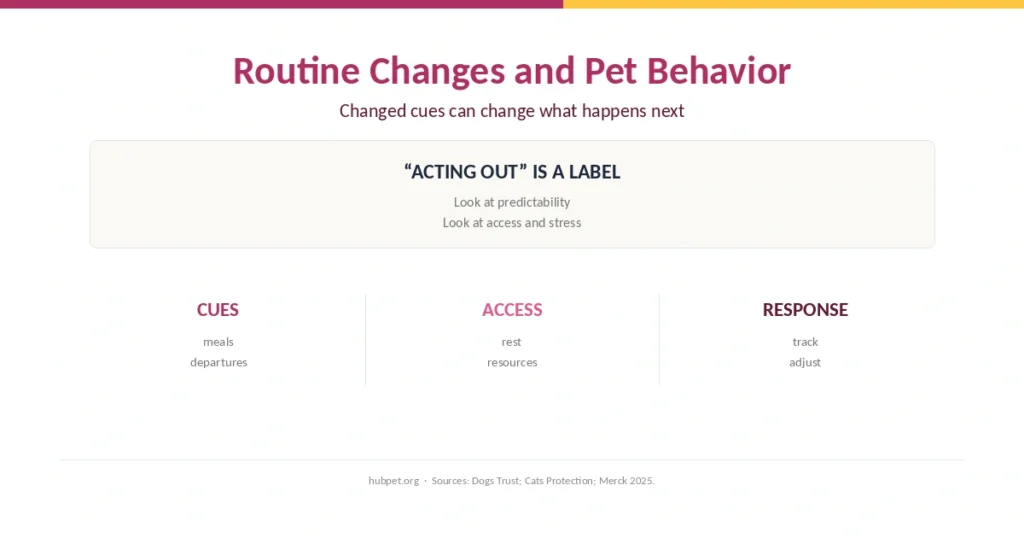
Routine changes can alter cues, resource access, rest, and social expectations. Learn how to reset the day without assuming your pet is acting out of spite.
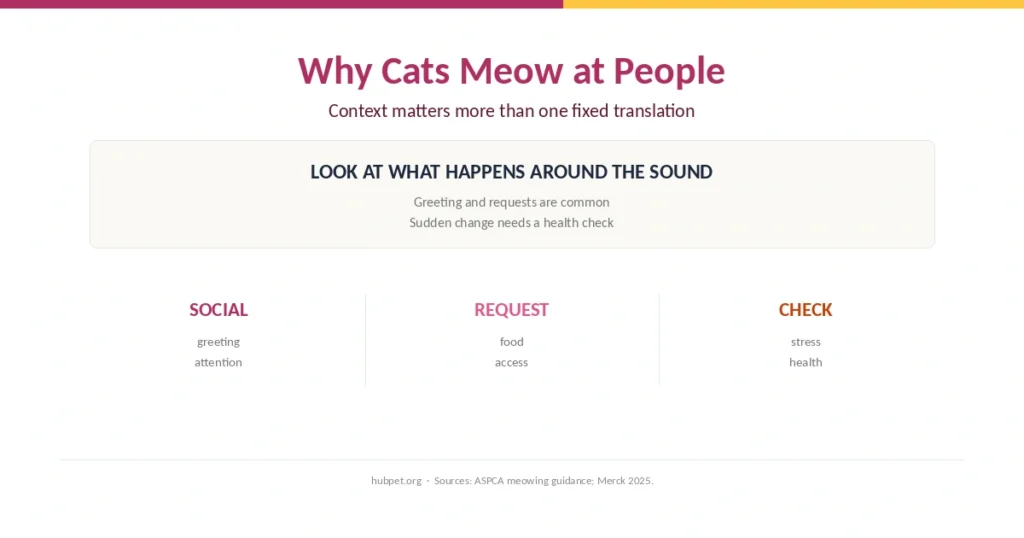
Cat meows can occur around greetings, attention, food, access, routine changes, stress, or health problems. Context matters more than one fixed translation.

Dog whining can be attention seeking, excitement, anxiety, appeasement, or a sign of discomfort. Context tells you which response makes sense.