

Why Cats Watch Out the Window for Hours
Cats may watch windows for movement, sensory stimulation, height, warmth, and hunting-like interest. Learn when the view is enriching and when to manage it.
Cats may watch windows for movement, sensory stimulation, height, warmth, and hunting-like interest. Learn when the view is enriching and when to manage it.

Passerby barking can have several causes. Learn how windows and boundaries reinforce the pattern, how to manage triggers, and what reward-based alternatives to teach.

Fence reactions can have several causes. Learn how barriers, frustration, fear, territory, and learning can interact, plus safer reward-based management steps.
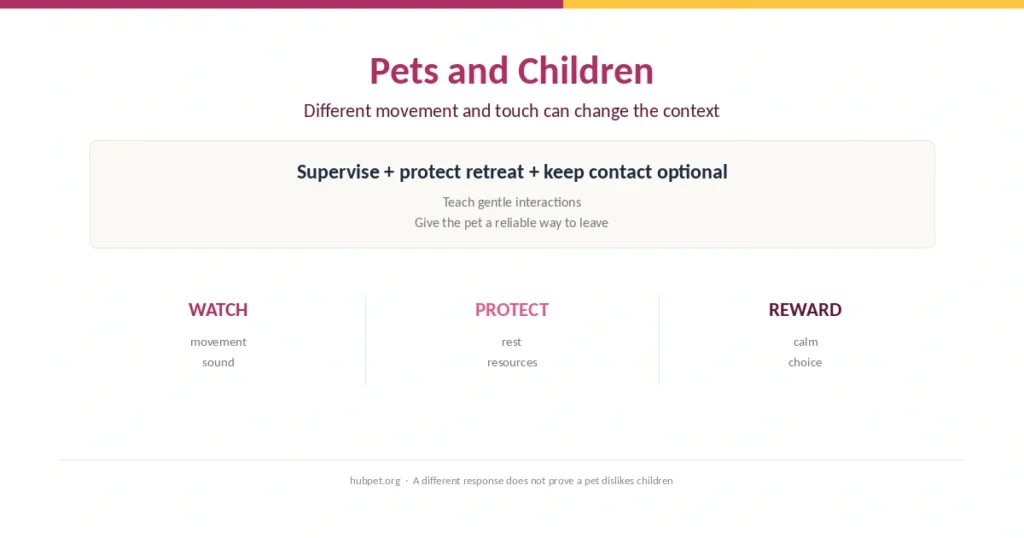
Children can change the social context for pets through movement, sound, touch, and routine. Learn how to supervise safely and give pets room to opt out.

Dog-to-dog barking can have several motivations. Look at distance, context, body language, and learning history before choosing a plan.

Cat social preferences are real, but research points to attachment, attention, learning history, and individual variation rather than one simple rule.

Cats often use elevated places for vertical territory, observation, retreat, and choice. The best perch is stable, reachable, secure, and optional.
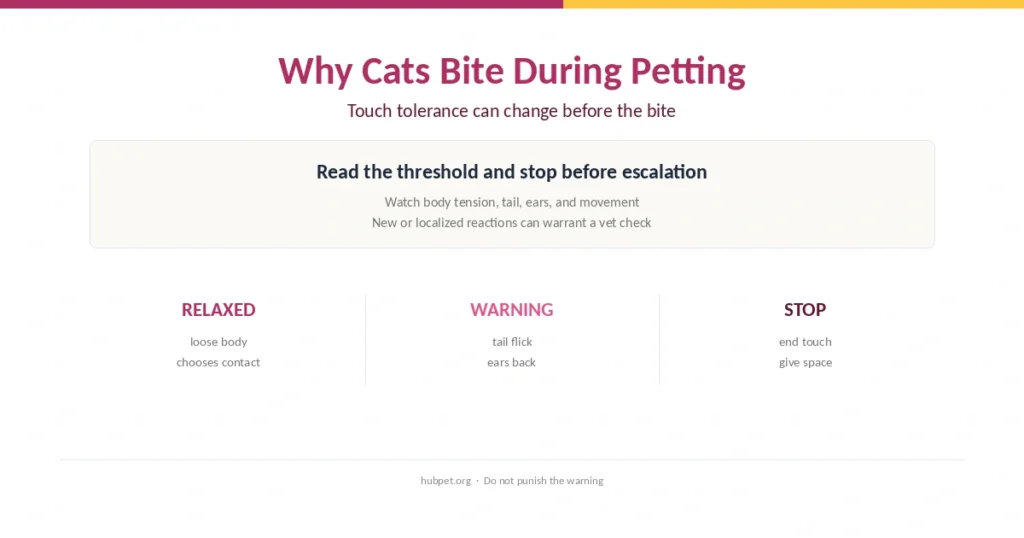
Petting bites often follow subtle warning signs. Shorten contact, respect the cat’s threshold, and rule out pain when the pattern changes.

Resource guarding calls for space, management, voluntary trades, and reward-based help rather than confrontation.

Delivery visits combine fast, repeated cues at the doorway. Learn how to manage the entrance and teach a calmer, reward-based response.