
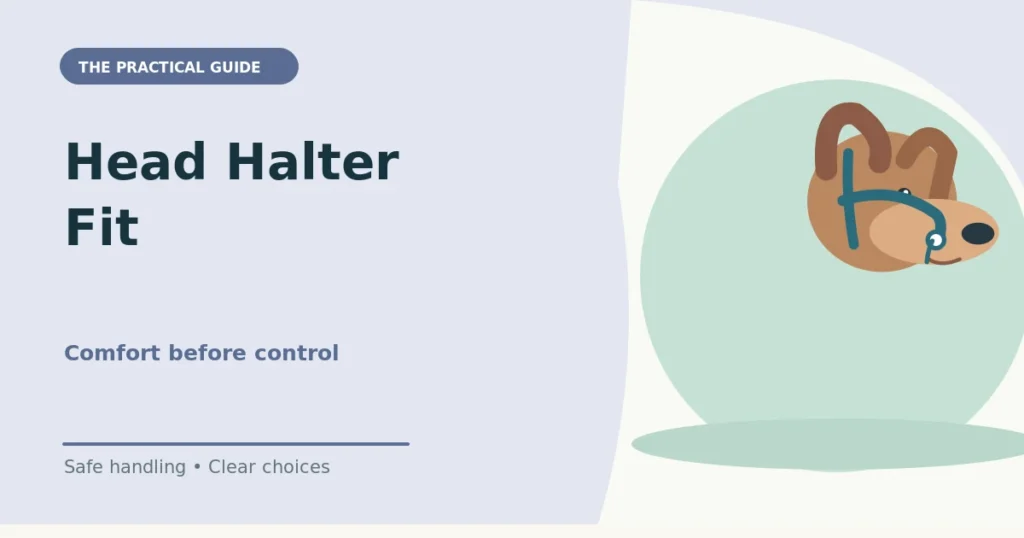
Dog Head Halters: Safe Fit, Gentle Introduction, and Walking Limits
A head halter can change the direction of a dog’s head; fit and slow, willing acceptance are essential.
Detailed buying advice for pet products. What matters most for safety, comfort, and long-term use.
A head halter can change the direction of a dog’s head; fit and slow, willing acceptance are essential.

The best everyday lead for a strong puller is easy to hold and inspect; it does not train the dog by itself.

A slip lead combines a neck loop and lead; that convenience comes with important pressure and escape risks.

A cordless stick vacuum can make daily fur cleanup easier, but a motorized head, realistic battery runtime, and cleanable parts matter more than a pet label.

Dryer balls can separate garments during tumbling, but they are not a dependable pet-hair catcher; fabric care and lint-screen cleaning remain essential.
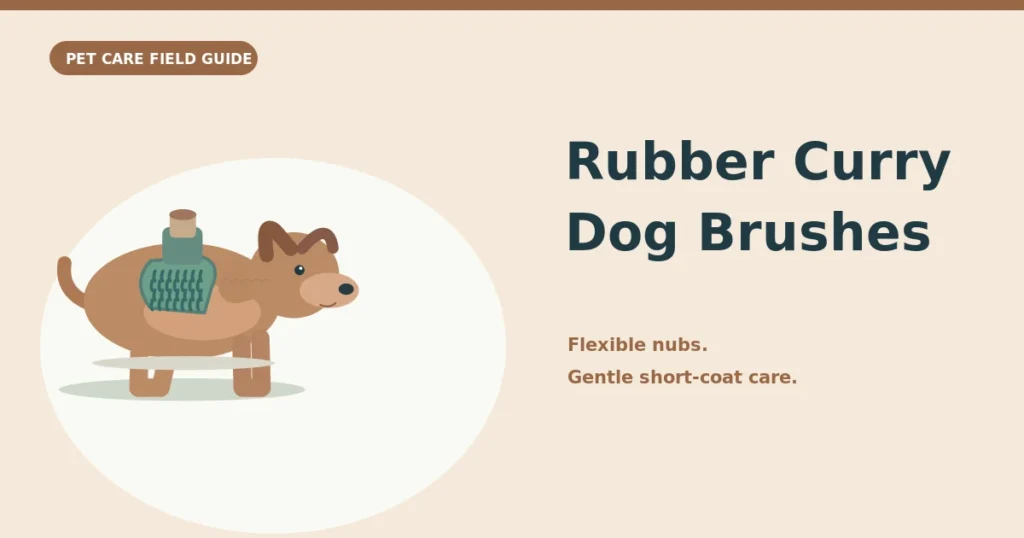
Flexible rubber nubs can help lift loose short-coat fur, but they are not a substitute for an undercoat tool or an excuse to scrub sensitive skin.

Buying cat litter in bulk can lower shopping frequency, but bag weight, dry storage, accessibility, and your cat’s preferences decide real value.
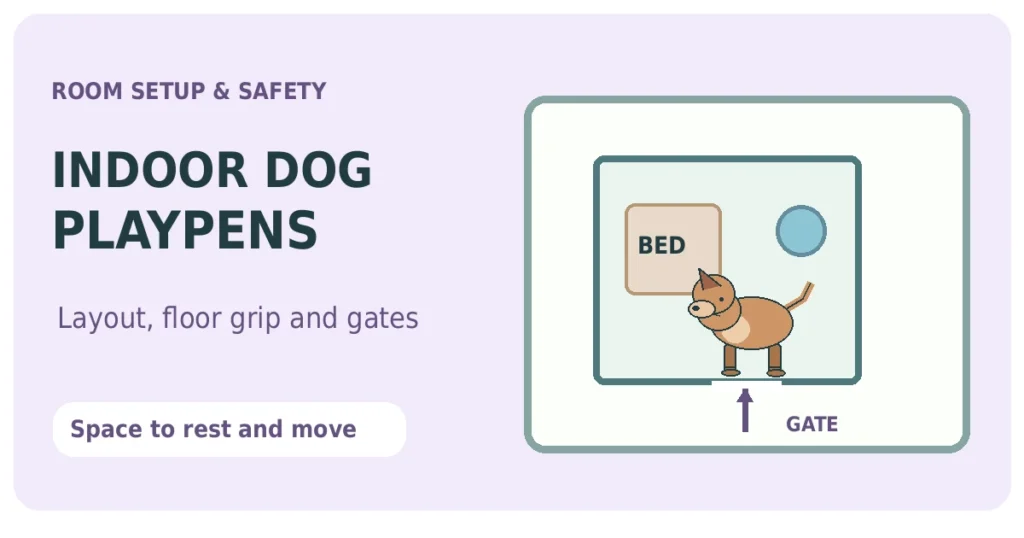
A spacious indoor pen only helps when joints stay stable, floors stay grippy and the dog can settle without climbing or distress.
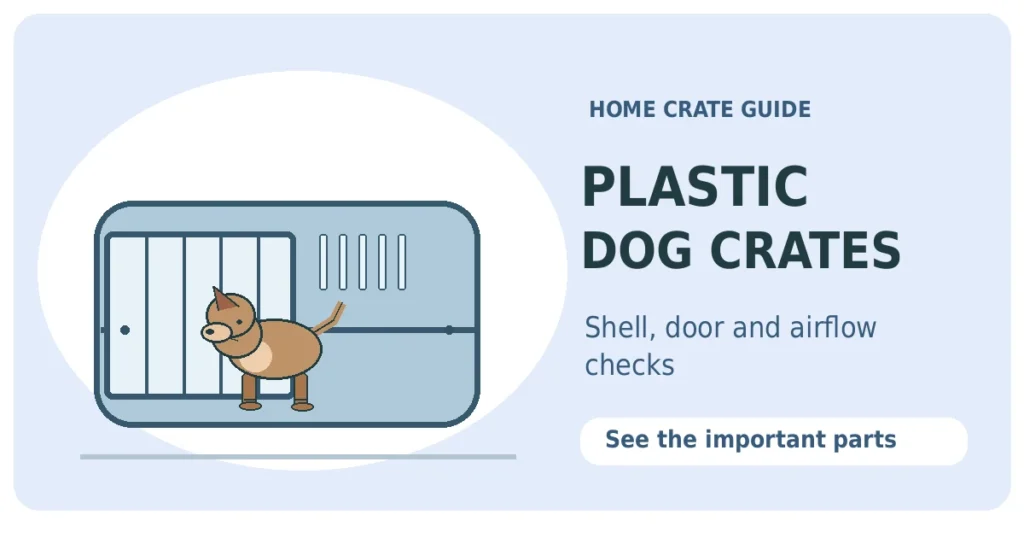
A rigid-shell crate can be easier to wipe down, but ventilation, joining bolts and door alignment deserve a close inspection.
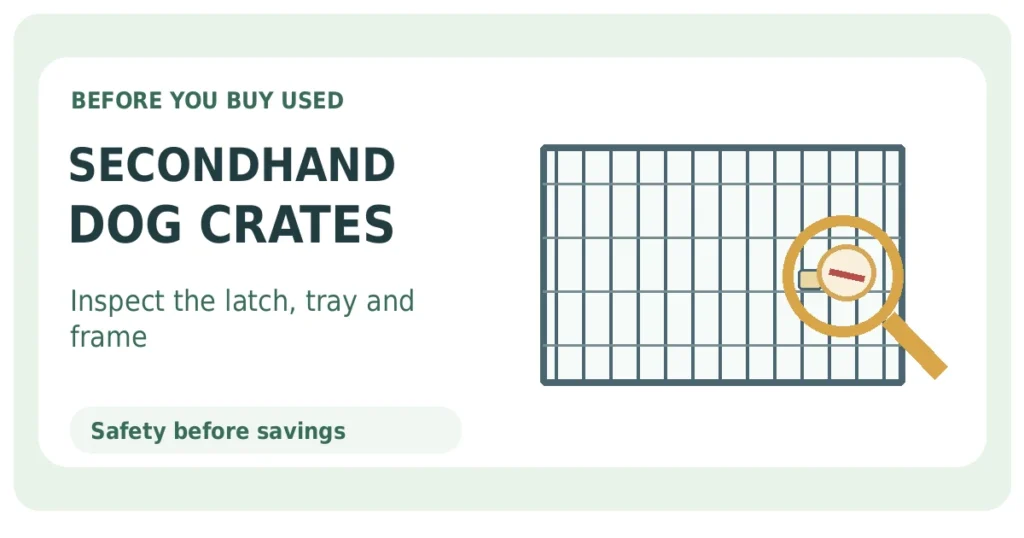
A used crate can be practical when the frame, latch, tray and cleaning history stand up to careful inspection.