
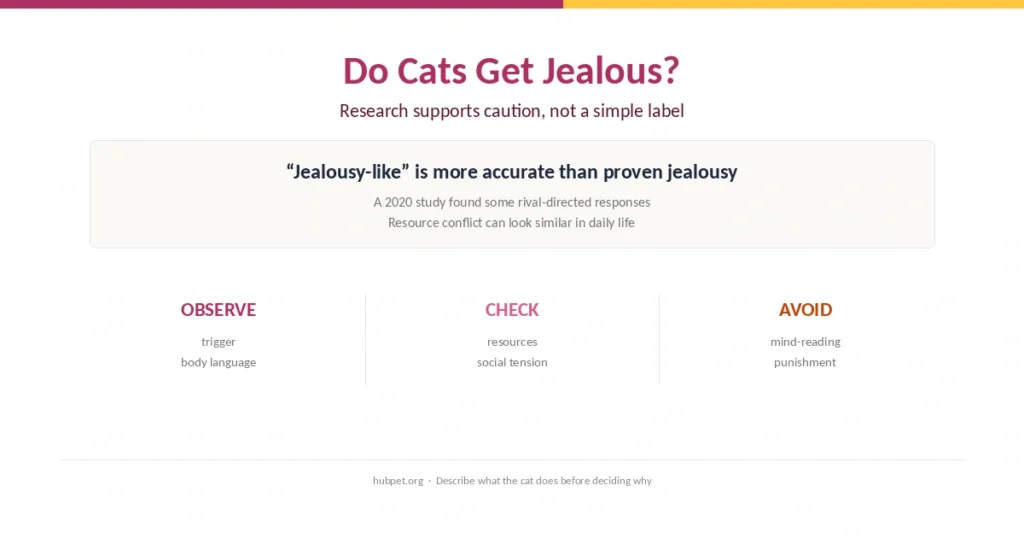
Do Cats Get Jealous of Other Pets? What Research Can Say
Cats can act in ways that look jealous, but the research is cautious. Focus on social tension, resource access, and observable behavior instead of labels.
Cats can act in ways that look jealous, but the research is cautious. Focus on social tension, resource access, and observable behavior instead of labels.
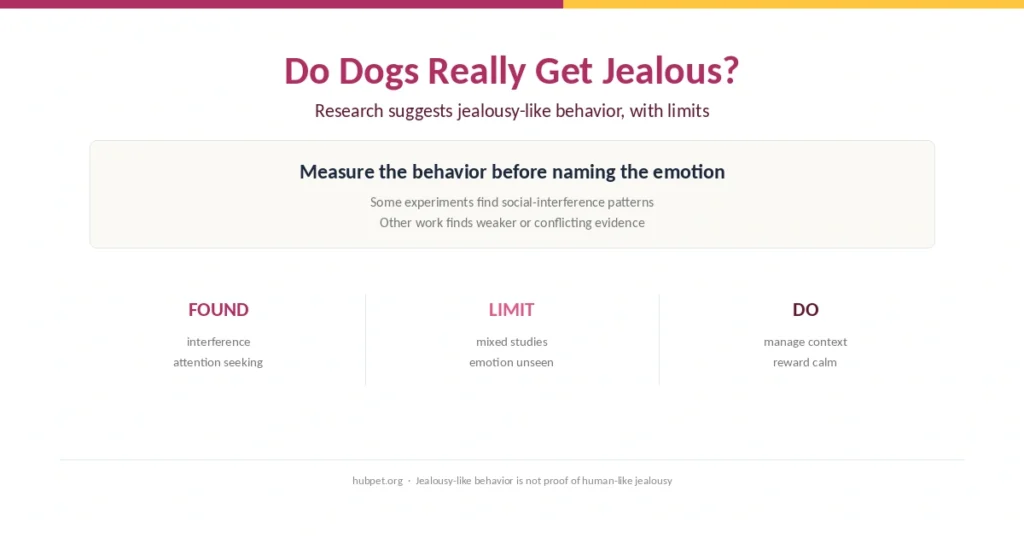
Dog jealousy is plausible but not settled science. Compare the 2014, 2018, and 2021 experiments and learn how to manage jealousy-like behavior.
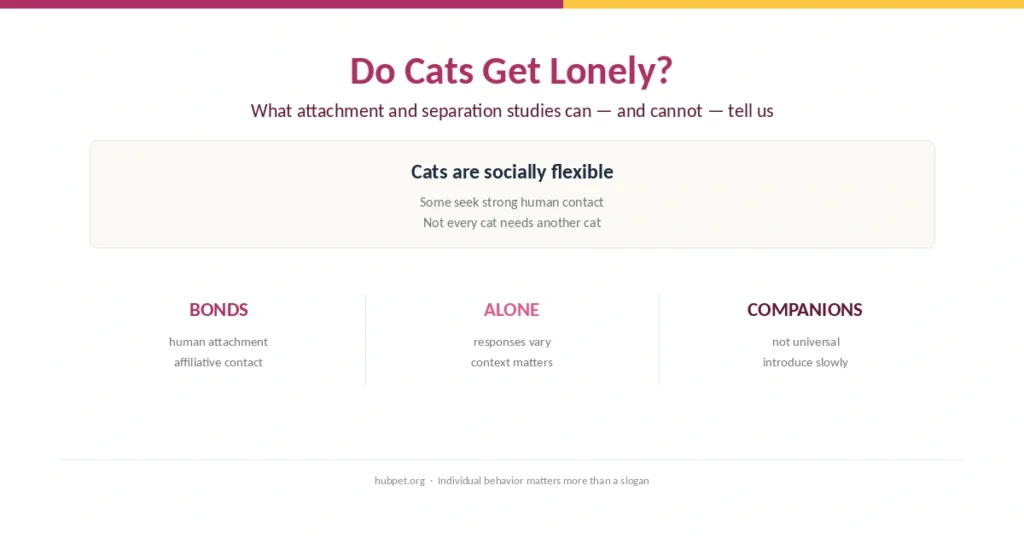
Cats can form strong social bonds, yet individual social needs vary. Research does not show that every cat needs a second cat or suffers whenever left alone.
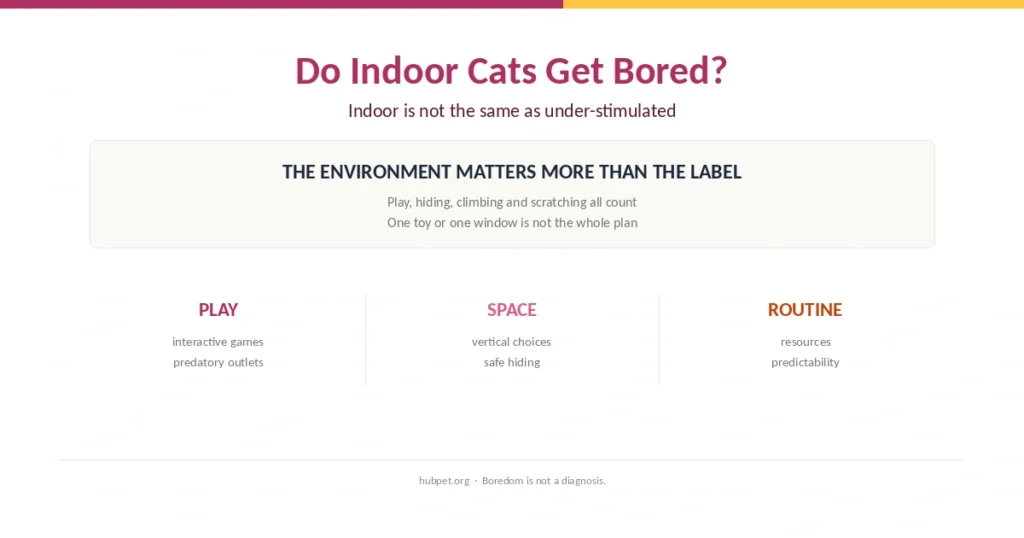
Indoor cats can thrive, but indoor life shifts responsibility to the home environment. Here is what feline welfare guidance and play research actually support.
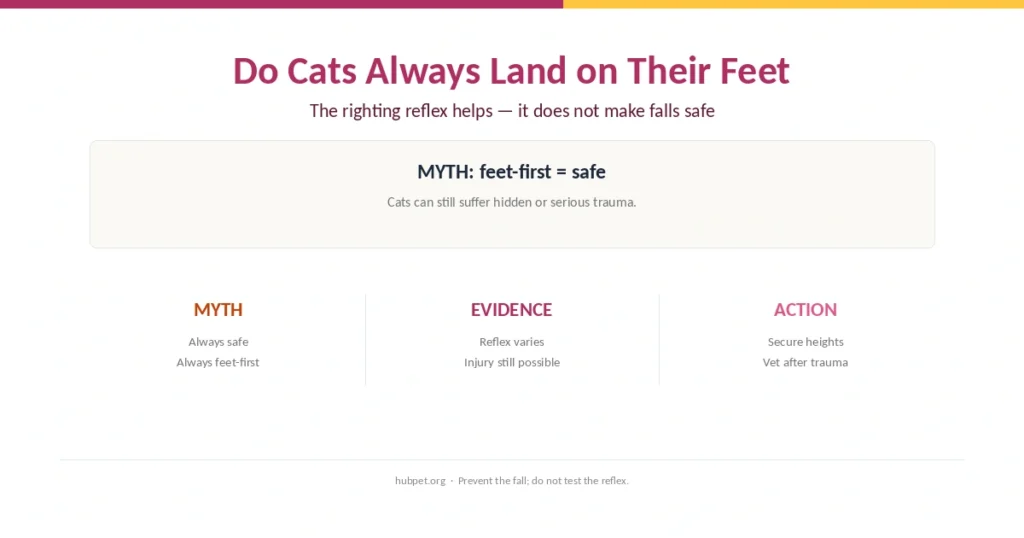
Cats often right themselves in a fall, but feet-first does not mean injury-free. Here is what veterinary sources and high-rise studies show.
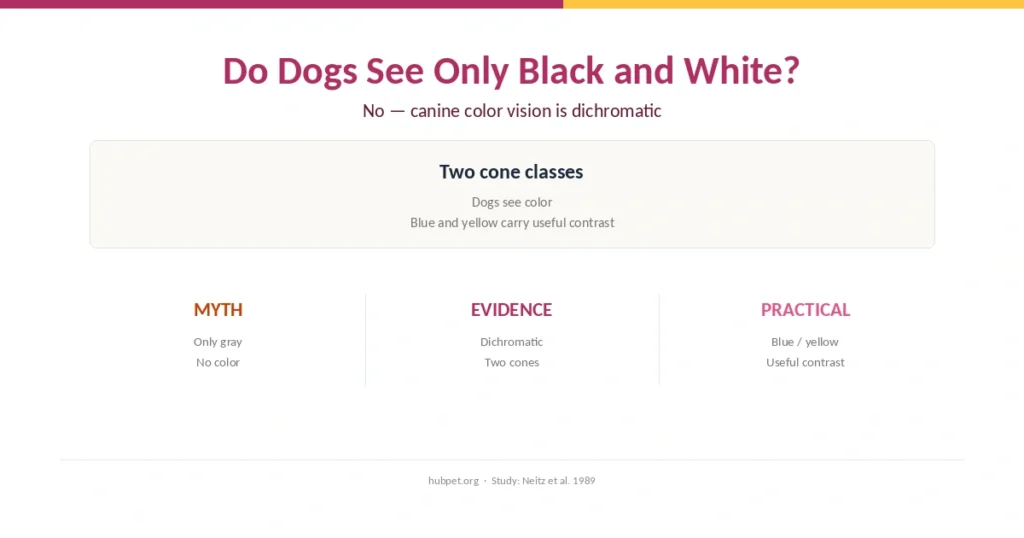
The black-and-white dog vision myth is wrong. Here is what the classic experiment and veterinary guidance actually support.
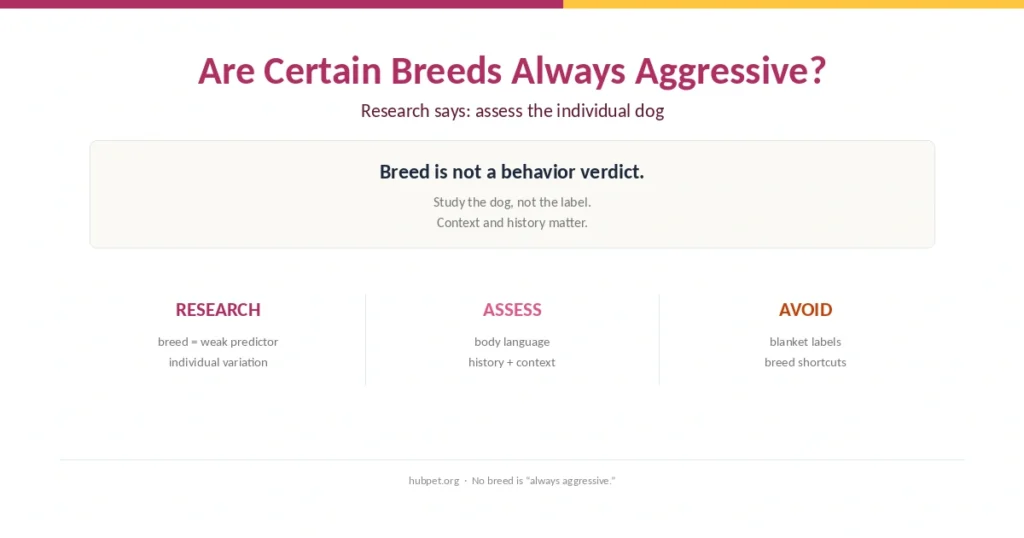
Breed can relate to some behavioral tendencies, but research does not support using breed alone to label an individual dog as aggressive.
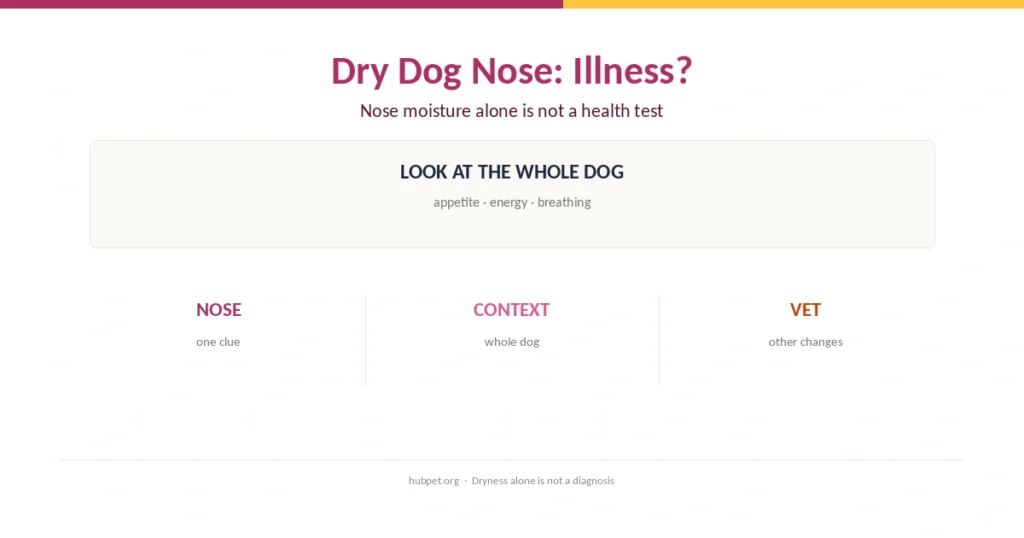
A dry dog nose is not a stand-alone illness test. Here is what VCA says to watch instead.
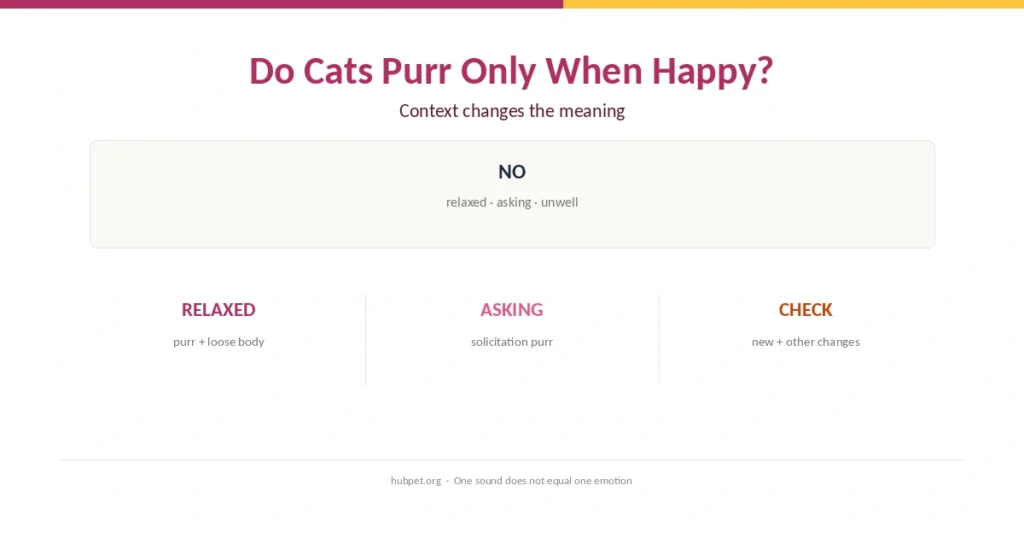
Purring can signal contentment, but it is not a one-word translation of a cat’s emotional or physical state.
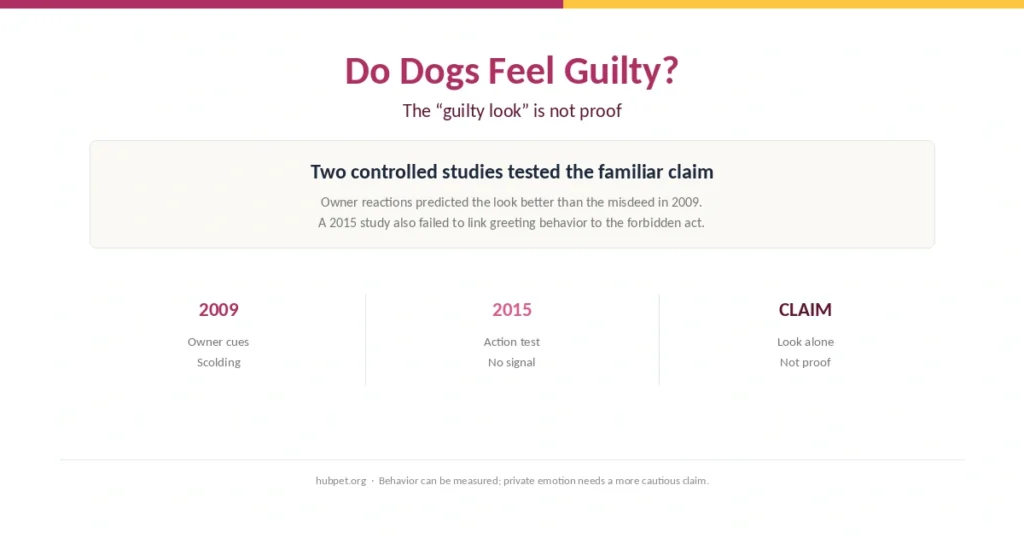
Two controlled studies separate the familiar “guilty look” from proof of guilt and show why owner cues and context matter.