
Waterless Dog Shampoo can make bath time more manageable, but the details matter more than a product name. This guide focuses on the specific fit, handling, cleaning, and comfort checks involved in waterless dog shampoo. Start with your dog’s size, coat, mobility, and reaction to water. Work at a pace your dog can tolerate. Use only dog-appropriate grooming products. Contact a veterinarian for painful skin or unexplained irritation. A safe routine provides stable footing, comfortably warm water when needed, and an easy way for the dog to step away. For more background, see our veterinary disclaimer.
Understand what no-rinse means
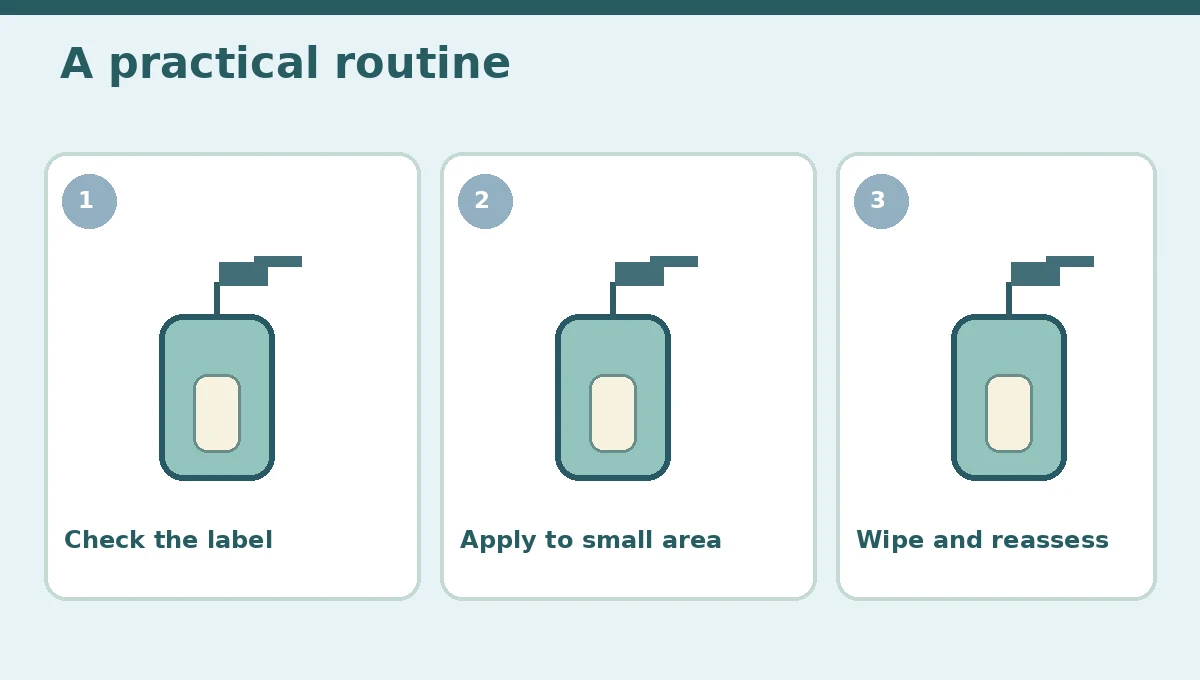
Waterless products can handle light surface dirt or small spots after walks. They may also help when a full bath causes unnecessary stress. They vary widely. Foam, spray, powder, and wipes have different directions and residue profiles. Read the package to confirm the maker intends it for dogs, whether it requires wiping or brushing afterward, and whether the label warns against use on irritated skin.
When evaluating waterless dog shampoo, compare the product to the place and routine you actually use, not just the packaging photograph. Check the contact surfaces, moving parts, and places that collect hair or water. Rehearse the setup while your dog is calm and dry. If anything shifts, leaks, snags, or creates an awkward reach, correct that problem before you use water or shampoo. A short, low-pressure trial usually reveals more about practical fit than a list of claimed features.

Separate a quick wipe from real cleaning
A small muddy paw print may be easy to remove with a damp cloth or approved dog wipe. Mud worked through a thick coat, sticky substances, or widespread contamination generally needs a more thorough method. Waterless shampoo should not hide a persistent unusual smell, itching, or skin irritation. If a coat suddenly becomes greasy or has a strong new odor, seek veterinary advice rather than repeatedly covering it with fragrance.
A useful buying checklist for this bathing tool includes the usable dimensions, material care instructions, cleaning effort, and how quickly the tool you can remove if your dog is worried. Read the manual for restrictions that a product listing may omit. Avoid assuming a feature is safe because it appears in a marketing picture. Choose the simplest setup that allows a calm, controlled bath. Keep a towel and a dry, nonslip exit ready.
Examine the product label
Look for clear directions, precautions, species suitability, and a full ingredient listing where available. Avoid substituting human cleansing wipes, household disinfectants, scented cleaning sprays, or essential-oil blends. Choose an unscented option when your dog dislikes strong smells. A reassuring word like natural is not a substitute for specific instructions. Do not use around the eyes, inside ears, or near the mouth unless the label expressly permits that use.
One easy way to evaluate your routine is to observe your dog’s body language during a brief practice. Loose muscles, voluntary approach, and normal breathing suggest the setup is tolerable. Freezing, scrambling, repeated attempts to escape, or persistent avoidance mean you should stop and simplify. Never treat a tool as a restraint. Never leave a dog unattended on a raised surface. Ask a veterinarian about persistent pain or skin symptoms.

Introduce application calmly
Start with a small clean area, a soft cloth, and a voluntary sniff of the closed product container. Follow the label when applying product to a hand or cloth. Avoid sudden spray near the dog’s face. Work gently with the coat and stop if the dog moves away repeatedly, licks excessively, or seems uncomfortable. Keep the product out of reach afterward.
When evaluating this bathing tool, compare the product to the place and routine you actually use, not just the packaging photograph. Check the contact surfaces, moving parts, and places that collect hair or water. Rehearse the setup while your dog is calm and dry. If anything shifts, leaks, snags, or creates an awkward reach, correct that problem before you use water or shampoo. A short, low-pressure trial usually reveals more about practical fit than a list of claimed features.
Check for residue and comfort
Some formulas require a wipe. Others need brushing, while certain products can air-dry. Follow the exact directions, including any restrictions on licking until dry. Use a fresh towel to avoid transferring dirt back onto the coat. Check the skin after use for redness or discomfort. Do not use waterless products to avoid a veterinarian-recommended medicated bathing schedule; therapeutic care follows separate instructions.
A useful buying checklist for this bathing tool includes the usable dimensions, material care instructions, cleaning effort, and how quickly the tool you can remove if your dog is worried. Read the manual for restrictions that a product listing may omit. Avoid assuming a feature is safe because it appears in a marketing picture. Choose the simplest setup that allows a calm, controlled bath. Keep a towel and a dry, nonslip exit ready.
Choose the lower-stress alternative
When your dog is mildly dusty, a gentle brush and damp cloth may suffice. For a genuinely dirty coat, prepare a non-slip bathing area and use dog-formulated shampoo with a thorough rinse. If baths are consistently frightening, seek cooperative handling guidance from a groomer or veterinarian. Consider the dirt level, the dog’s comfort, and product directions. No single cleaning method replaces every other method.
One easy way to evaluate your routine is to observe your dog’s body language during a brief practice. Loose muscles, voluntary approach, and normal breathing suggest the setup is tolerable. Freezing, scrambling, repeated attempts to escape, or persistent avoidance mean you should stop and simplify. Never treat a tool as a restraint. Never leave a dog unattended on a raised surface. Ask a veterinarian about persistent pain or skin symptoms.
How We Research
We reviewed veterinary guidance for bathing and coat care. We then assessed everyday fit and cleaning questions for this bathing tool. Our original diagrams illustrate practical concepts, not a particular brand or universal size. The right bath routine depends on your dog, and directions supplied with a product take priority for product-specific use. Learn about our team and standards on the About HubPet page.
Sources
VCA Animal Hospitals — Get Your Pet Bathing Routine Down. Read source.
VCA Animal Hospitals — Grooming and Coat Care for Your Dog. Read source.
Safety note: This article offers general pet-care information, not veterinary diagnosis or an assurance that any product is safe for every dog. Stop when a dog shows fear, pain, instability, or signs of a skin reaction. Ask your veterinarian about symptoms or medically prescribed bathing instructions.
Measure your actual space and observe your dog’s normal stance and movement before selecting a product. Follow the product-specific instructions, check for slipping or awkward reach, and try a calm practice session without rushing into a full bath.
A tool may simplify handling, but it will not automatically solve bath anxiety. Start with voluntary investigation, tiny steps and rewards, and stop if the dog freezes or tries to escape. A veterinarian or force-free groomer can help with persistent distress.
Inspect and clean the tool after each use, especially any seams, outlets, textured surfaces, or contact points that collect water or hair. Follow the manufacturer’s cleaning and drying directions, and replace damaged parts promptly.
Assuming that a product label guarantees safe fit is a common mistake. Test the actual setup first, keep water or product away from the dog’s face as appropriate, and stop when the dog is uncomfortable.
Seek veterinary guidance if your dog has ongoing itching, redness, open sores, painful handling, persistent odor, or a prescribed medicated product. The right treatment schedule and product concentration vary with the condition.